

If you have ever experienced fraud or know someone who has, you understand how distressing it can be. Beyond financial loss, there is anxiety, disruption to business operations, and shaken confidence in the platforms you rely on every day.
As digital payments continue to grow across Nigeria, cybercriminals are increasingly targeting POS terminals, online payment gateways, and mobile applications. Fraud tactics are becoming more sophisticated, often exploiting urgency, trust, and gaps in digital security awareness.
The good news is that most payment fraud is preventable. Understanding how these schemes operate and knowing what warning signs to look out for puts you in a much stronger position to protect yourself and your transactions.
This guide outlines common fraud schemes and practical steps you can take to safeguard yourself when using digital payment platforms.
How Fraudsters Target Digital Payment Platforms
You cannot defend yourself against something you do not recognise. Online fraud is rarely random. Cybercriminals are organised, patient, and increasingly sophisticated. They rely on deception tactics designed to exploit trust, urgency, and familiarity with digital payment systems.
Below are some of the most common schemes you should be aware of:
Phishing Attacks
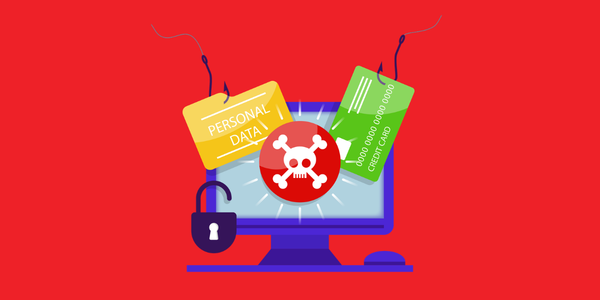
Fraudsters send emails, SMS messages, or WhatsApp messages that appear to come from a legitimate payment service or financial institution. These messages often ask you to “verify” your account, confirm payment details, or log in through a provided link. That link leads to a fake website designed to steal your login credentials.
Impersonation Calls
A fraudster may call claiming to be from your payment provider or bank. They may already know your name, business details, or information about a recent transaction gathered from public sources or data leaks. They use this to build credibility before asking for your OTP, PIN, password, or other sensitive information.
No legitimate organisation will request your password, PIN, or one-time password over the phone.
Fake Settlement or Transaction Alerts
Merchants are frequently targeted with messages claiming that a payment has been reversed, that a settlement is pending, or that there is an urgent issue with their account. These messages create panic and pressure the recipient to “reconfirm” details or click a link immediately.
This urgency is deliberate; it is designed to override careful thinking.
Look-Alike (Spoof) Websites
Another common tactic is creating fake websites that look almost exactly like official payment sites. The web address may change by just one letter, add an extra character, include a hyphen, or use a different ending. Unsuspecting users log in and unknowingly hand their credentials to criminals.
Remember: urgency is a tool fraudsters use intentionally. If a message pressures you to act immediately, that is your signal to slow down.
4 Smart Security Practices Every User Should Follow
Knowing how fraud works is only half the battle. Here is what you can do to protect yourself.
- Verify Every Website Before You Log In
Develop the habit of verifying websites before entering login details or processing payments. This takes seconds and can prevent significant loss.
– Type the web address directly into your browser rather than clicking links from messages or emails.
– Check the URL carefully for misspellings, extra characters, hyphens, or unusual domain extensions (such as .net or .org instead of .com or .ng).
– Confirm the site begins with https:// — the “s” indicates your connection is encrypted.
– Look for the padlock icon in your browser’s address bar. If it is missing or shows a warning, leave the site immediately.
– Be especially cautious of links shared via WhatsApp, SMS, or unsolicited emails.
If you are uncertain whether a website is genuine, close the tab and access the organisation’s official website by typing the address yourself.
- Guard Your Credentials Like Your Cash
Your login details, OTP codes, PINs, and passwords are the keys to your accounts. Treat them with the same care you would give physical cash.
– Use strong, unique passwords for every account.
– Avoid easily guessable details such as your name, birthday, or phone number.
– Do not reuse passwords across multiple platforms.
– Enable two-factor authentication (2FA) or multi-factor authentication (MFA) wherever available.
– Never share your OTP with anyone! Not a friend, not a family member, and not someone claiming to be customer support.
– Avoid logging into financial accounts over public or unsecured Wi-Fi networks.
If you believe your credentials have been compromised, change your password immediately and notify the relevant platform.
No legitimate payment service or bank will ever ask you to share your OTP, PIN, or password.
- Beware of Unsolicited Contact
Fraudsters typically initiate contact. If someone reaches out unexpectedly regarding your account, treat it as a potential warning sign.
– Be cautious of unexpected calls, messages, or emails requesting personal or financial information.
– If someone claims to be from a payment company or bank, end the call and contact the organisation directly using official contact details.
– Do not download attachments from unknown senders.
– Be wary of offers involving refunds, prizes, or urgent account suspension warnings.
When in doubt, pause and verify independently. Fraudsters depend on speed; safety depends on caution.
- Stay Informed and Report What You See
Fraud tactics evolve constantly. Staying informed is not a one-time effort it is an ongoing responsibility.
– Keep up to date through verified communications from your financial institutions and trusted regulatory advisories.
– Share fraud awareness information with staff, family members, and business partners.
– Report suspicious websites, messages, or phone calls through your payment provider’s official fraud-reporting channels.
– Monitor your transaction history regularly and report unauthorised activity immediately.
– If your account may have been compromised, change your password, log out of active sessions, and contact official support without delay.
At Redtech, we encourage a culture of transparency and accountability. If you encounter suspicious activity relating to our services, you may report it through our official Whistle Blowing Channel by completing the secure form available on our website. You may also contact our Customer Care Team through the verified contact details listed on our official site.
Prompt reporting helps protect not just you, but the wider payment community.
Consistency, caution, and verification remain your strongest tools.
Fraud thrives in moments of inattention. A link clicked too quickly. A call trusted too easily. A website not been looked at closely enough. The most effective defense is not a technical one, it is a human one. By understanding how fraudsters operate, developing habits of verification, and staying alert to warning signs, you significantly reduce your risk exposure. If something feels wrong, trust your instinct and verify before acting.
Stay alert.
Stay informed.
Stay protected.
This advisory is part of Redtech’s ongoing commitment to promoting secure digital transactions and empowering you with practical knowledge.
If you suspect fraudulent activity on any of your payment accounts, report it immediately through your provider’s official support channels.