
Over the decades, the global fashion industry has evolved through innovation in style. Today, however, the rules have changed. As the 4th and 5th Industrial Revolutions reshape markets, fashion is no longer driven by design alone, but by speed, visibility, and access.
Fashion entrepreneurs who successfully integrate technology across sales, distribution, and payments are the ones winning.
Nigeria’s fashion industry is now firmly in the global spotlight. A 2026 feature in The Economist, “The Global Triumph of Nigerian Fashion” highlights how Nigerian designers are gaining international runway recognition and commercial traction beyond domestic markets. This rise has been powered not just by creativity, but by rapid adoption of social media, e-commerce, and digital payment solutions, alongside the continued expansion of Nigeria’s fintech ecosystem.
From the late 2010s into the post-COVID era, digital adoption accelerated as consumer behavior shifted online. For fashion entrepreneurs, this shift unlocked global payment acceptance, enabling seamless transactions with diaspora customers and international buyers.
This growth is also fueled by Nigeria’s cultural export engine. Afrobeats, Nollywood, and digital storytelling have carried Nigerian identity across borders, with fashion naturally following. Designers today are no longer serving just local markets, but a connected global audience, a trend reinforced by research on Nigeria’s expanding creative soft power.
They say first impressions are formed in seconds. In fashion, those seconds determine whether a customer keeps scrolling or decides to buy.
But today, success in fashion retail goes beyond styling. It is shaped by the intersection of culture, digital expansion, and infrastructure.
Nigeria’s fashion industry, valued at approximately $6 billion (BusinessDay, 2023), is one of the most dynamic in Africa. Rooted in heritage yet constantly evolving, it spans everything from Aso Oke and Adire to contemporary streetwear and ready-to-wear collections. Fashion continues to express identity, status, and belonging, but the way it is produced, marketed, and sold has fundamentally changed.
What was once largely bespoke and event-driven has evolved into a structured, scalable retail ecosystem.
Fashion entrepreneurs are no longer just creating garments; they are operators, managing online storefronts, coordinating logistics, processing payments, and reconciling revenue across multiple channels.
Creativity remains the spark. Infrastructure drives the scale.
Social Media and Digital Tools: The New Runway
Instagram, TikTok, and WhatsApp have evolved beyond marketing platforms. They now function as showrooms, sales channels, and customer service touchpoints all at once.
Collections are teased through reels. Drops are announced via stories. Orders begin in DMs or link-in-bio storefronts. Influencer collaborations can trigger immediate spikes in demand.
In this ecosystem, designers have become creators, and consumers have become curators.
Micro-influencers and community-driven marketing now carry significant influence, often outperforming traditional advertising in building trust and driving conversions. A single post can translate into sales within minutes.
But speed introduces pressure. Customers now expect immediate responses, instant payment confirmation, rapid order fulfillment, and accurate inventory visibility, all happening seamlessly in real time. In this environment, attention converts quickly, but so does frustration when expectations are not met. Visibility without operational readiness creates volatility; a viral moment without the systems to support it can overwhelm operations and erode trust. In a digital-first marketplac is foundational to sustaining growth and credibility.
Global Payments and Faster Delivery: The New Standard
Nigerian fashion brands are no longer competing solely within local markets. Digital platforms have made them instantly visible to global audiences. A customer in Lagos can compare prices with brands in London. A buyer in Toronto can order from Abuja in minutes. This global exposure has redefined customer expectations.
Today’s fashion consumer expects:
– Instant and secure payment options
– Seamless checkout across devices
– Real-time transaction confirmation
– Transparent, trackable delivery timelines
– Fast and reliable fulfillment
Digital payments have conditioned customers to expect speed, security, and convenience as standard.
At the same time, improvements in logistics and last-mile delivery, particularly in cities like Lagos and Abuja, have shortened fulfillment cycles. Speed is now a marker of professionalism.
When payment confirmation is delayed, or reconciliation is manual, deliveries slow, and trust weakens. In a competitive, digitally exposed market, trust is currency, and the brands that scale are those that connect efficient payment systems with reliable delivery, ensuring that every transaction moves seamlessly from checkout to doorstep.
Payment: The Infrastructure Behind Growth
As Nigerian fashion becomes mobile-first, omnichannel, and globally accessible, payment sits at the center of the entire ecosystem. It connects discovery to purchase, revenue to reinvestment, and customer experience to long-term loyalty. This shift requires payment infrastructure that can support speed, scale, and global reach.
At Redtech, we are building solutions that empower fashion entrepreneurs to capture market opportunities locally and internationally.
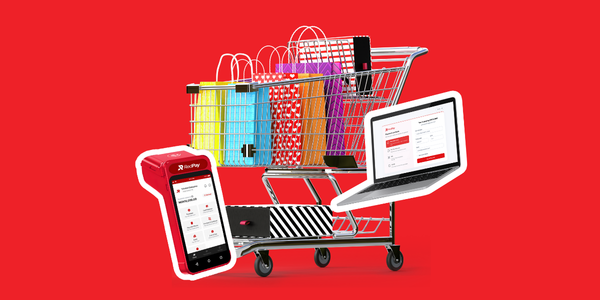
We have also established strategic partnerships to support fashion entrepreneurs in scaling their businesses. One example is our collaboration with contemporary fashion brand MUGO MUGO, launched in Nigeria by Chinyemugo, a young Nigerian entrepreneur building a globally relevant fashion brand. Through this partnership, we provided merchant collection solutions, including RedPay POS terminals to power seamless in-person transactions at her launch pop-up, as well as an integrated payment gateway to enable smooth online checkout for customers.
These solutions support both local and international card payments, instant bank transfers, and other digital payment options, ensuring a consistent and reliable payment experience across channels.
To further support growth, Redtech provides accessible payment tools for fashion businesses through, enabling entrepreneurs to scale with confidence.
Fashion entrepreneurs can access RedPay’s suite of payment solutions designed to support both physical and online retail.
Fashion entrepreneurs can get started today with RedPay’s suite of payment solutions built for both in-store and online retail. Request a FREE RedPay POS terminal for your physical store or get onboarded on our Payment Gateway to enable seamless checkout on your e-commerce platform.
👉 Request your RedPay POS or Payment Gateway onboarding now
👉 Book a consultation session with our team today
Your next stage of growth requires the right infrastructure in place.